How to Use Dianping to Pick a Restaurant in China
Dianping is the review app locals in China use to find restaurants. Pick a place in three steps: sort by distance and keep only what you can walk to in 20 minutes, keep only ratings of 4.5 and above with thousands of reviews, then choose the local cuisine from what is left.
To find dinner in China, locals do not open Google Maps or a travel blog. They open Dianping (大众点评). It is roughly China’s Yelp: ratings, written reviews, photos of the actual dishes, average spend, opening hours, queue tickets, and discount set menus all live in one place. Learn this one app and you can find a decent, fairly priced, walkable restaurant in any Chinese city in about ten minutes.
This page covers three things: what the app looks like, how to filter out the bad choices in three steps, and what you should actually be eating in each city.
Getting the tool in place
Dianping is in the app stores under that name, with an orange icon. Signing up needs a phone number, and whether an international number receives the verification code depends on your number and the verification method in use at the time, so there is no guarantee it will work.
If you cannot install it or cannot register, do not get stuck here. Two fallbacks:
- Amap (高德地图). Search the same restaurant and you still get a rating, average spend, opening hours, and turn-by-turn directions. The data is not identical to Dianping’s, but it is enough to choose a place. On which map to use in China at all, see why Google Maps is a few hundred metres off in China.
- The mini-program inside Alipay. The Alipay search bar finds the Dianping and Meituan mini-programs directly, so you do not have to install a separate app. For getting Alipay itself working with a foreign card, see payment setup.
One more thing worth knowing: Dianping is not only about food. The first row of categories on the home screen covers attraction tickets, hotels and guesthouses, cinema tickets, massage and foot spa, and gyms. Locals book all of that here too.
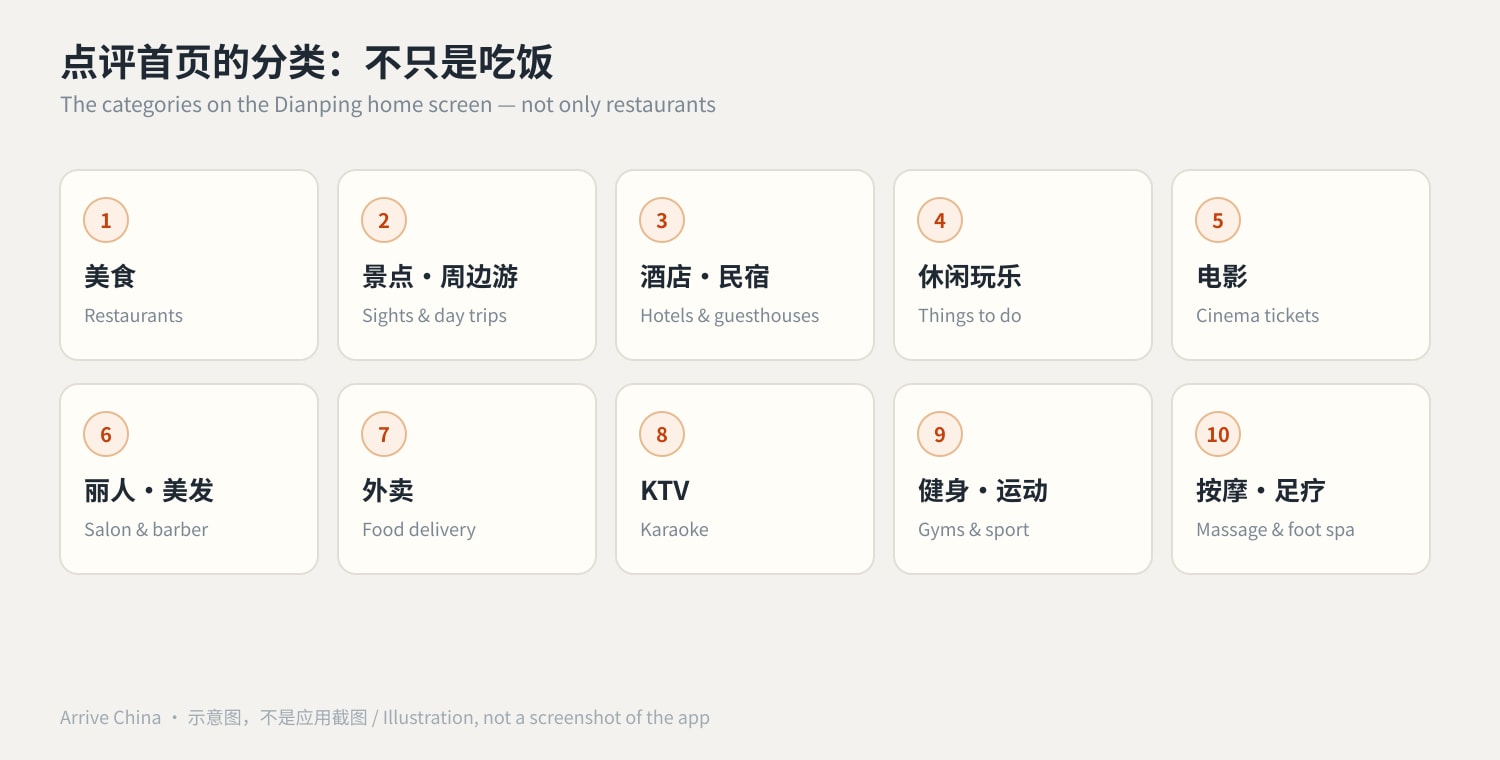
Photo: Made by Arrive China (illustration, not a screenshot of the app)
Three filters, in this order: distance, rating, local cuisine
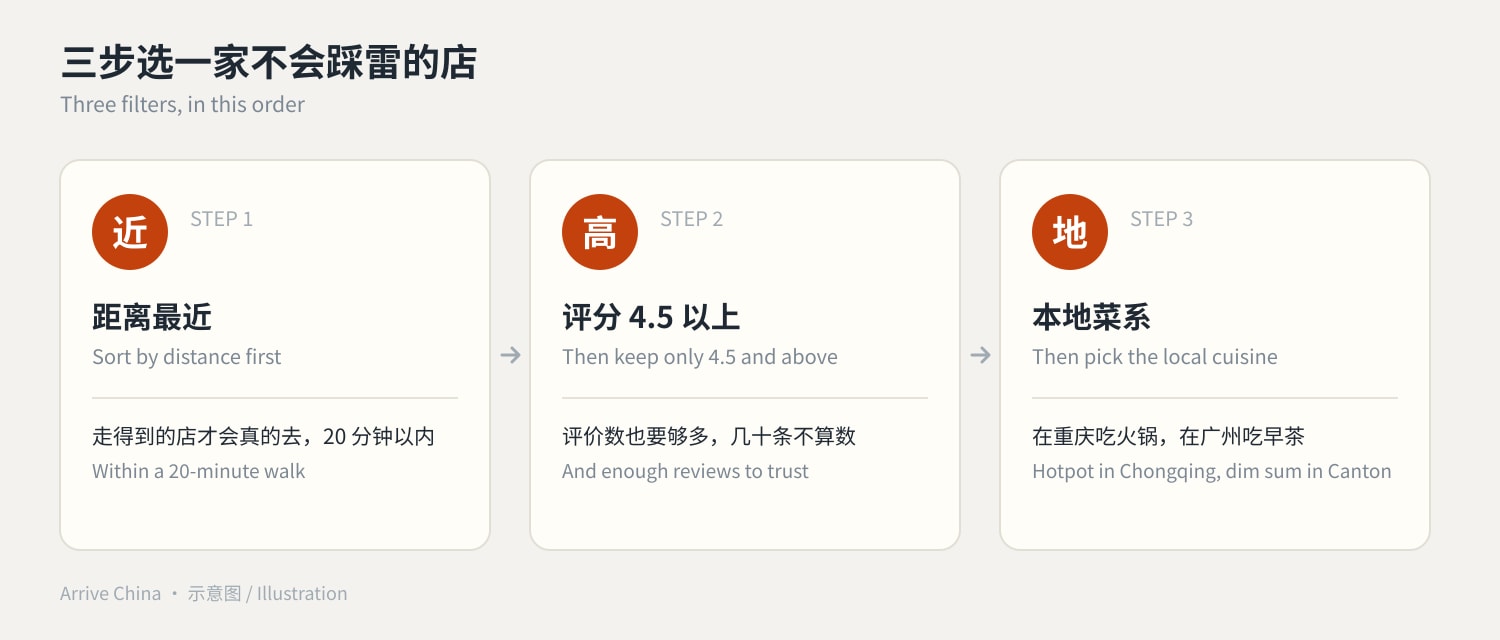
Photo: Made by Arrive China
The order matters. Most people pick a cuisine first, then check ratings, then discover the place is three kilometres away, give up, and eat at whichever restaurant has the brightest sign outside — which is reliably the most expensive and the most ordinary one on the street. Doing it in the opposite order avoids that.
Step one: sort by distance. The row of filters across the top of the results page has a sort control; set it to 距离最近 (nearest first). A restaurant within a 20-minute walk is one you will actually go to. Past that, by evening you will change your mind.
Step two: keep only 4.5 and above. Then turn on 好评优先 (highest rated) or the rating filter. Above 4.5 is a safe bet; 4.0 to 4.5 means open it and read what the reviews say; below 4.0, skip. But the score alone is not enough, which the next section explains.
Step three: choose the local cuisine from what is left. This is the step that turns an ordinary meal into one worth remembering. Hotpot in Chongqing, morning tea in Guangzhou, roujiamo in Xi’an. What a city does best is usually also what locals eat most often, which means the most competition and the lowest prices.
What is on one result
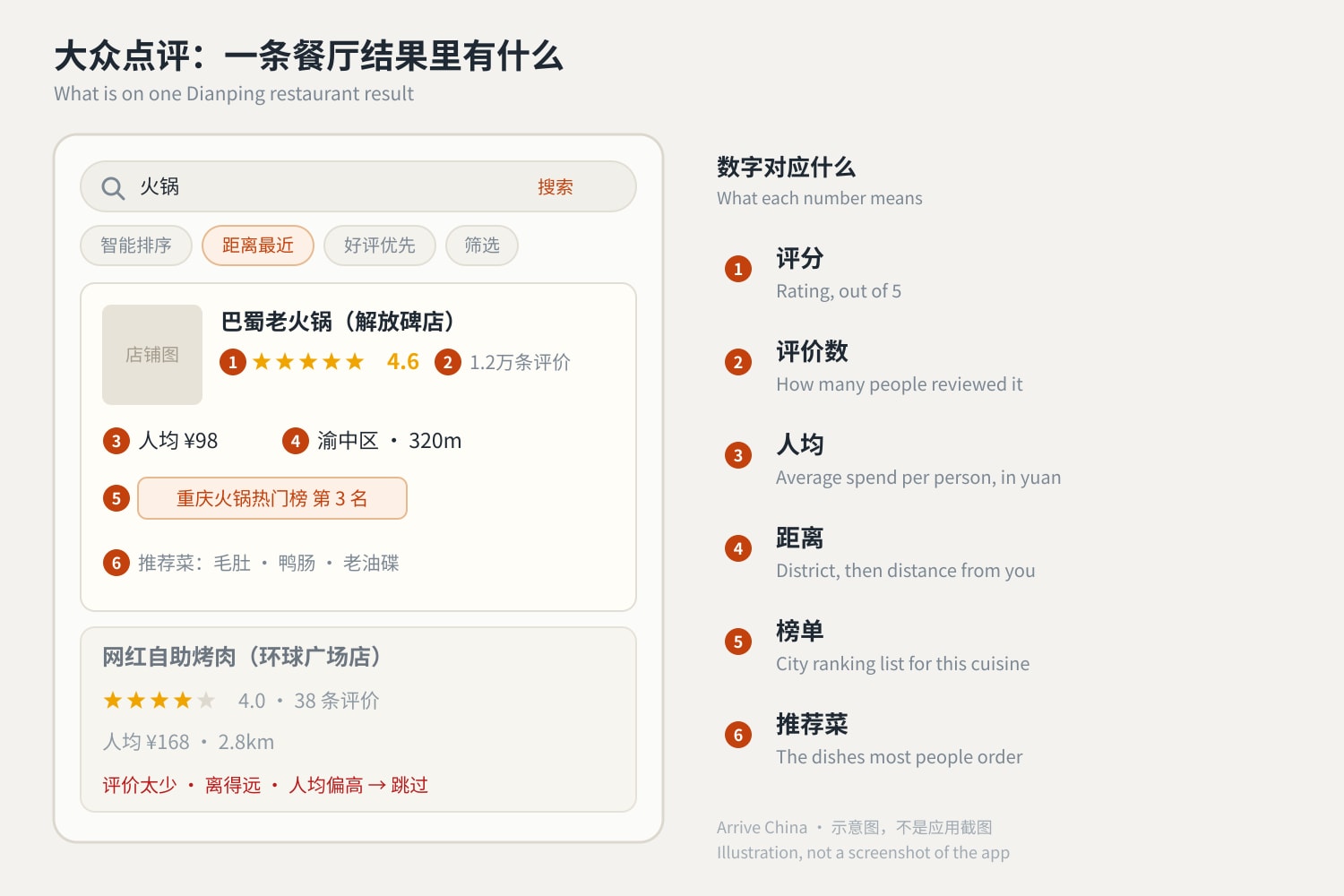
Photo: Made by Arrive China (illustration, not a screenshot of the app)
The six numbered items in the picture are these six things:
- 评分 — the rating, out of five. Above 4.5 is a safe bet; below 4.0, be careful.
- 评价数 — how many reviews, and this matters more than the score. A 4.8 built on forty reviews is far less trustworthy than a 4.5 built on a few thousand: forty reviews are easy to manufacture, a few thousand are not.
- 人均 — average spend per person, in yuan, as reported by other customers. Treat it as a guide: two people at a place listed at ¥98 normally land a little over 200 yuan, more with drinks and expensive seafood.
- 距离 — district, then how far you are from it, as the crow flies. One warning: in vertical cities like Chongqing, 300 metres in a straight line can be a flight of stairs plus a lift.
- 榜单 — the ranking list, as in “number 3 on this city’s hotpot list” or 必吃榜 (the Must-Eat List). The Must-Eat List is compiled once a year and carries more weight than an ordinary popularity ranking, but it also means a longer queue.
- 推荐菜 — the signature dishes, meaning the ones most people order. When you have no idea what to get, ordering straight off this line is never wrong.
What to eat, city by city
“Choose the local cuisine” is easy to say and harder to act on when you have just landed. This table gives you the keyword to type into the app in each city and what to order once you are there.
| City | Search this | What to order |
|---|---|---|
| Beijing | 烤鸭, 铜锅涮肉, 炸酱面 | Sliced roast duck rolled in thin pancakes; lamb in a clear copper-pot broth with sesame dip; zhajiangmian is a dry noodle dish |
| Shanghai | 本帮菜, 小笼包, 生煎 | Red-braised pork, eel in hot oil; bite the soup dumpling open and drink the broth first |
| Xi’an | 肉夹馍, 凉皮, 羊肉泡馍 | Roujiamo (chopped stewed pork in a baked bun), biángbiáng noodles, hulatang for breakfast |
| Chengdu | 川菜, 火锅, 串串香 | Mapo tofu, twice-cooked pork, dandan noodles; eating alone, order 冒菜 |
| Chongqing | 火锅, 重庆小面 | Beef-tallow hotpot in a nine-grid pot, wandzamian, grilled fish; breakfast is noodles, not congee |
| Guangzhou | 早茶, 烧腊, 肠粉 | Shrimp dumplings, siu mai, char siu buns, clay-pot rice; morning tea is only real in the morning |
| Shenzhen | 潮汕牛肉火锅, 潮汕砂锅粥 | There is no “Shenzhen cuisine”; every region is here, and Chaoshan food is the strongest |
| Hangzhou | 杭帮菜, 片儿川 | Dongpo pork, Longjing shrimp; pian’erchuan is a 15-yuan bowl of pickled-greens and bamboo noodles |
| Nanjing | 盐水鸭, 鸭血粉丝汤 | Salt-water duck is a cold dish sold by weight; duck-blood vermicelli soup is about 15 yuan |
| Suzhou | 苏帮菜, 奥灶面 | Squirrel-shaped mandarin fish, eel in hot oil; hairy-crab dishes in autumn |
| Changsha | 湘菜, 臭豆腐, 口味虾 | Chopped-chilli fish head, stir-fried pork; stinky tofu here is black, and tastes far milder than it smells |
| Wuhan | 热干面, 豆皮, 小龙虾 | Reganmian is a dry sesame-paste noodle breakfast; crayfish in summer |
| Tianjin | 煎饼果子, 包子, 麻花 | Jianbing is made in front of you at a breakfast stall for 3 to 5 yuan |
| Qingdao | 海鲜, 鲅鱼水饺, 辣炒蛤蜊 | In summer, street stalls sell draught beer in a plastic bag; that is how locals drink it |
| Xiamen | 沙茶面, 海蛎煎, 姜母鸭 | Satay noodles sit in a sweet-spicy peanut broth — avoid with a peanut allergy |
| Kunming | 过桥米线, 汽锅鸡, 菌子 | Crossing-the-bridge noodles cook raw slices in boiling broth at the table; wild mushroom season is June to September |
| Harbin | 锅包肉, 红肠, 东北菜 | Guobaorou is sweet-and-sour fried pork; northeastern portions are huge, two dishes feed two people |
| Guilin | 桂林米粉, 啤酒鱼 | Rice noodles are breakfast, 3 to 5 yuan, and you add the pickles and chilli yourself at the counter |
The eight main cities, in more detail
Beijing. Roast duck does not arrive whole for you to tear apart. A chef slices the skin and meat at your table and you build each bite yourself: one slice of duck on a thin pancake, a few strips of spring onion and cucumber, a smear of sweet bean sauce, roll it up. Two people only need a half duck (半套 on the menu). At an established restaurant that runs 150 to 300 yuan a head. The other dish worth your time is copper-pot lamb: thin slices cooked in plain boiling water with spring onion and ginger, dipped in sesame paste — that dip contains sesame and peanut, so say so in advance if you have a peanut allergy. The douzhi sold at breakfast stalls is fermented mung-bean liquid and it is genuinely sour and pungent; plenty of locals do not like it either, so there is nothing to prove.
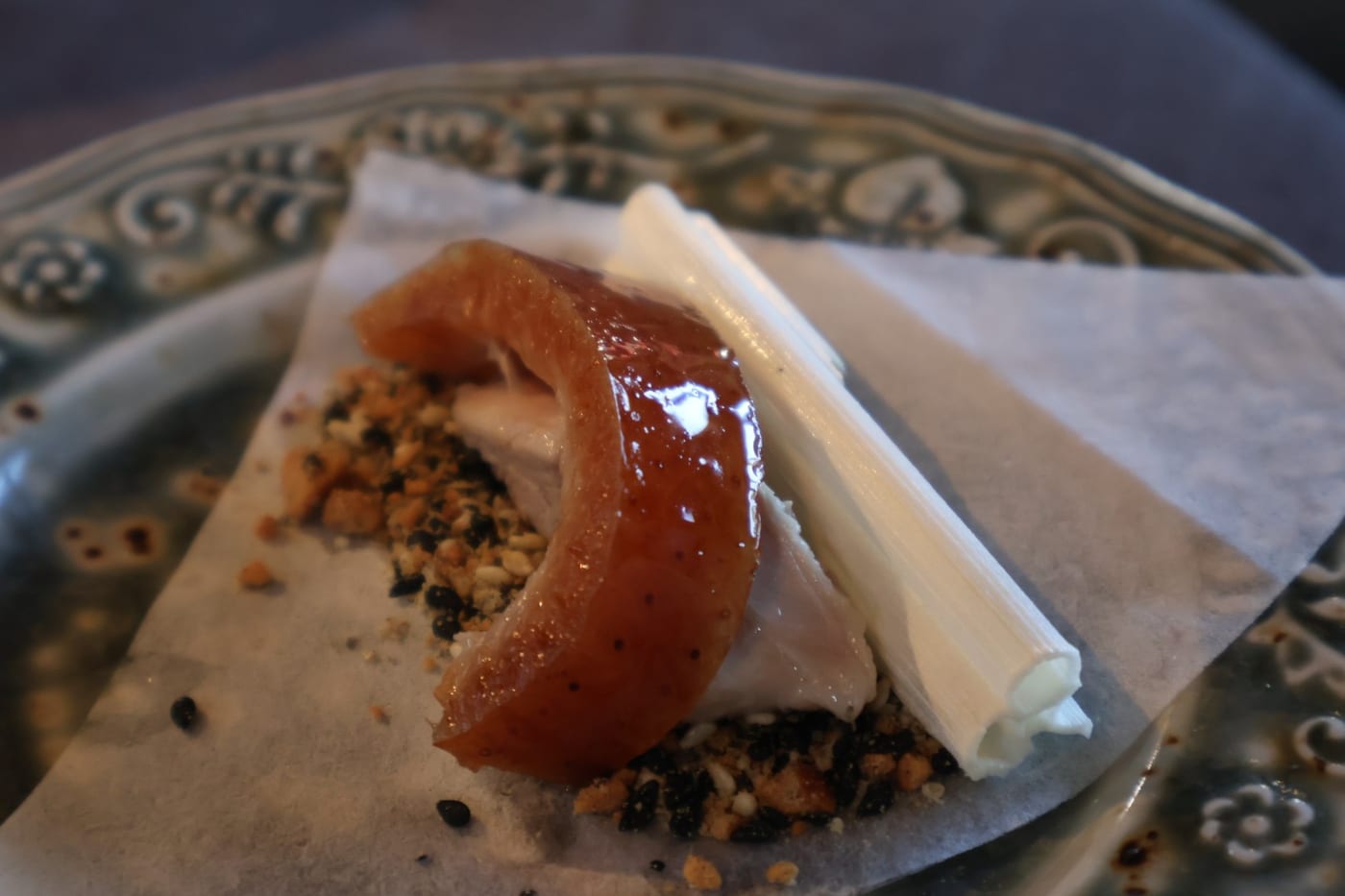
Photo: Mcyjerry / CC BY-SA 4.0, via Wikimedia Commons
Shanghai. Shanghainese home cooking is built on dark soy and sugar, so it reads sweet; red-braised pork is the dish that defines it. Soup dumplings have a method: bite a small hole in the base, drink the broth, then eat the rest. Put a whole one in your mouth and you will scald your palate. Shengjian are pan-fried buns with a crisp base and the same hot soup inside. For breakfast, search 葱油拌面 (spring-onion oil noodles) or 粢饭团 (a sticky-rice roll), around 15 yuan.
Xi’an. Roujiamo is slow-stewed pork chopped fine and packed into a baked flatbread; 6 to 12 yuan each, and two will fill you up. Liangpi are cold, chewy rice-flour noodles in a sour-and-spicy dressing, best in summer. Yangrou paomo makes you work: you are handed a hard flatbread and tear it by hand into fingernail-sized pieces, then hand the bowl back for lamb broth. Smaller pieces soak up more soup, and the tearing alone takes twenty minutes, so do not order it when you are in a hurry.
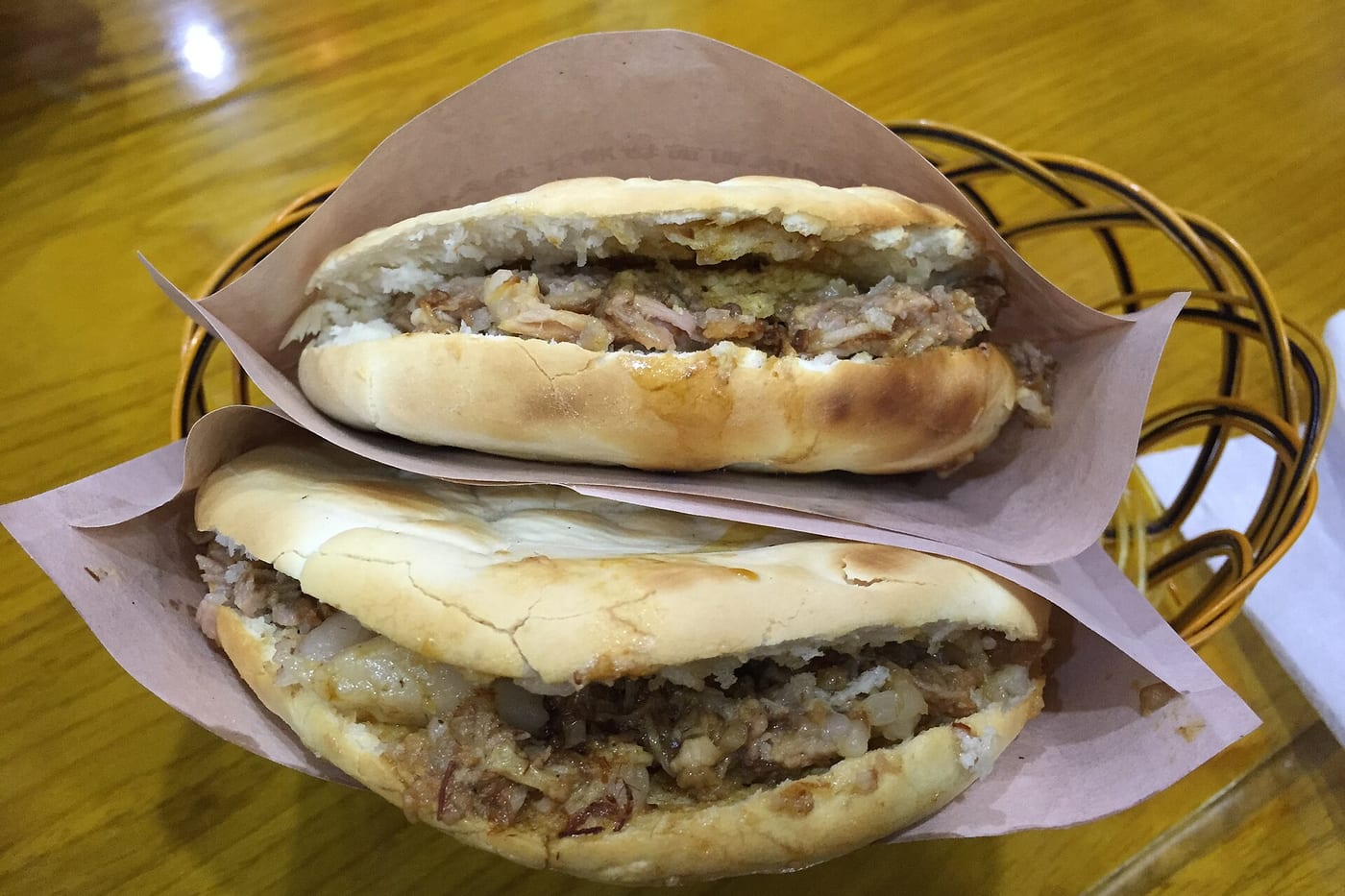
Photo: N509FZ / CC BY-SA 4.0, via Wikimedia Commons
Chengdu. Sichuan food is not uniformly hot — kaishui baicai and tianshaobai are not spicy at all — but most of the menu is. The difference between hotpot and chuanchuan is how you order: at hotpot you order plates, at chuanchuan the ingredients come on bamboo skewers that you take from a fridge yourself, and they count the skewers at the end, which works out cheaper. Eating alone, order 冒菜: the same hotpot ingredients, cooked for you and served in one bowl.
Chongqing. Chongqing hotpot uses beef tallow and is both hotter and more numbing than Chengdu’s. The nine-grid pot divides one pot into nine squares: the centre boils hardest and suits things that cook in seconds, like tripe and duck intestine, while the corner squares are cooler and suit slow simmering. If you cannot take chilli, insist on the split pot. Breakfast is noodles, not congee: a small bowl of xiaomian is 7 or 8 yuan, and adding peas and minced-pork sauce makes it wandzamian.
Guangzhou. Morning tea is both breakfast and the local way of socialising, and you have to go in the morning — many old houses stop serving dim sum after 11. You order by ticking boxes on a paper slip. Shrimp dumplings, siu mai, char siu buns and rice noodle rolls are the four basics, three or four pieces per basket, 50 to 100 yuan a head. Siu mei is the roast goose, char siu and roast pork hanging in the window; a portion chopped over rice is 20 to 30 yuan and makes a whole meal.
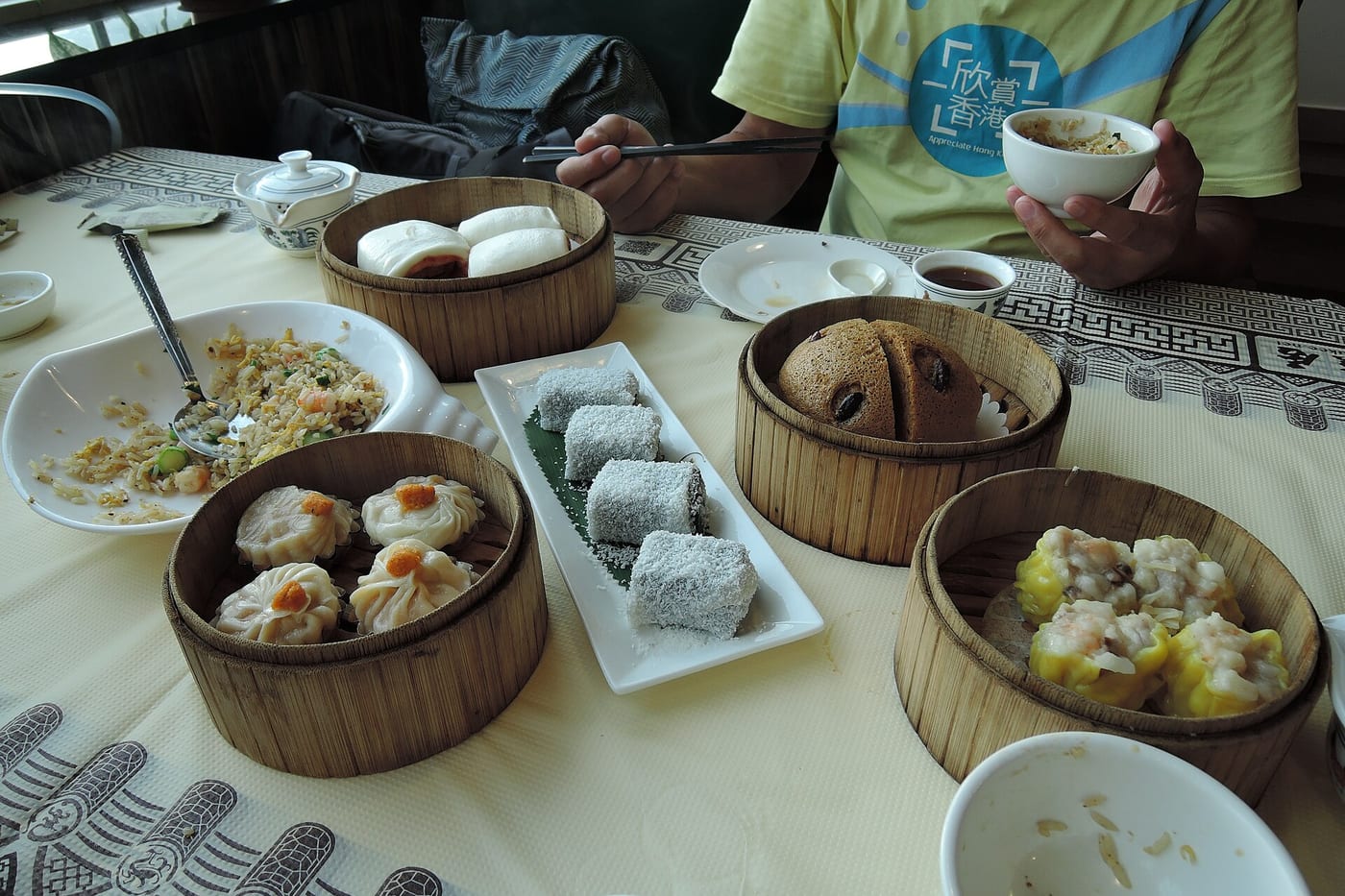
Photo: Geoffreyrabbit / CC BY-SA 4.0, via Wikimedia Commons
Shenzhen. Shenzhen is a migrant city with no native cuisine, but Chaoshan food has the deepest roots here. Chaoshan beef hotpot is a clear broth, and the beef arrives on separate plates by cut (diaolong, chibing, wuhuazhi). The menu tells you how many seconds each cut needs in the pot; follow it. For anyone who cannot handle chilli, Shenzhen is the easiest city in China.
Hangzhou. Hangzhou cooking is light and slightly sweet. Dongpo pork is a single cube of red-braised belly, one per person. Longjing shrimp are river shrimp stir-fried with Longjing tea leaves. West Lake vinegar fish is the famous one and opinions split hard — a lot of people find it muddy, so order it if you are curious but keep expectations low. The reliable choice is pian’erchuan: noodles with pickled greens, bamboo shoots and pork, about 15 yuan.
Four things that are everywhere and almost never a mistake
When nothing appeals, or when you are changing trains in a city nobody writes about, search these four:
- 兰州牛肉面 — Lanzhou beef noodle soup. Clear broth, not spicy by default, with chilli oil added separately. The sign usually reads 兰州拉面 or 兰州牛肉面, and many of these are halal kitchens with no pork. Around 15 yuan a bowl.
- 沙县小吃 — Shaxian snacks. A Fujianese chain: tossed noodles, wonton soup, steamed dumplings, small clay-pot soups, 20 to 30 yuan a head, on more or less every street.
- 新疆菜 / 清真 — Xinjiang and halal restaurants. Big-plate chicken, lamb skewers, hand-pulled noodles. The safest option if you do not eat pork; look for the green halal sign by the door.
- 东北饺子馆 — Northeastern dumpling houses. Dumplings are ordered by weight: one 两 is roughly six dumplings, so three 两 plus one cold dish feeds two people.
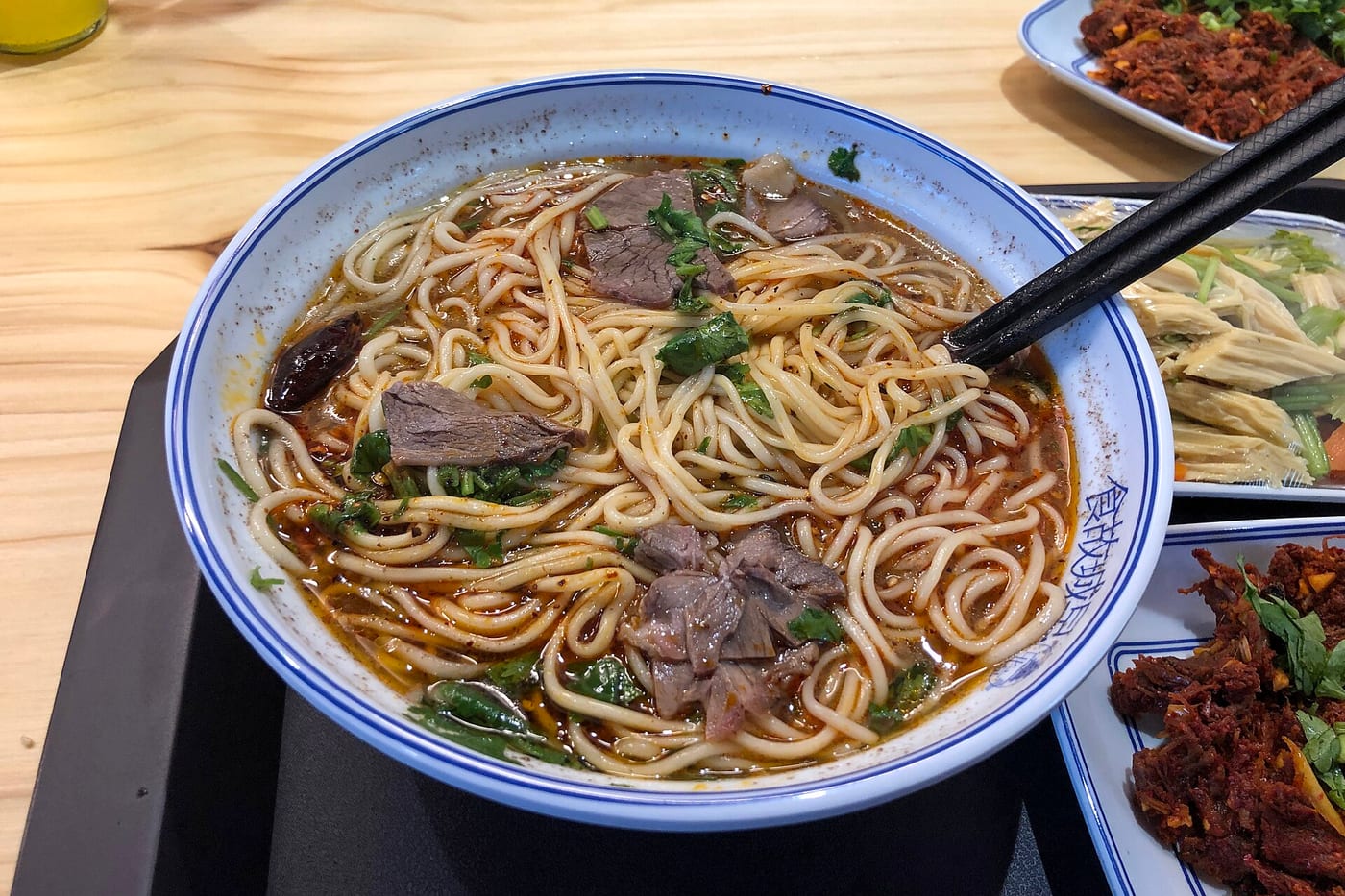
Photo: N509FZ / CC BY-SA 4.0, via Wikimedia Commons
How many dishes, and when to turn up
Chinese meals are shared, not one plate per person. Two people need two dishes and a soup, or three dishes; four people need four dishes and a soup. Order fewer and add more later — kitchens are fast, and over-ordering just wastes food.
Get the timing right too. Lunch runs 11:30 to 13:30 and dinner 17:30 to 20:30. Plenty of small restaurants in the south close between two and five in the afternoon, and Guangzhou dim sum houses stop serving after eleven. If you want hot food outside those windows, search 24小时 or head for a chain inside a shopping mall.
A few things that save you a wasted meal
Look at the photos, not just the score. Scroll into the review section and favour reviews with pictures taken by customers. What the table looks like, how big the portions are, and whether the room is full of locals or tour groups is obvious in a photo and invisible in a star rating.
Be suspicious of a burst of one-line reviews on the same day. If a restaurant’s reviews cluster into a few dates, each one is a single sentence, and the photos look like one batch, it was a promotion. Scroll back a few months before you decide.
Busy places take queue tickets in advance. Many restaurants with a line let you take a number in the app or their own mini-program and show up when your number is nearly called. If you see a 取号 or 排队 button, press it — it can save an hour.
Read the conditions on a set menu before buying. They usually run 10 to 30 percent cheaper than ordering at the table, but check for weekdays only, dine-in only, broth and tea charges excluded, or a reservation requirement.
Do not guess about dietary restrictions. A review saying the food here is mild does not mean the kitchen skipped the lard or the pork-bone stock. If you have an allergy or eat vegetarian or halal, prepare a Chinese card as described in ordering food in China with allergies, vegetarian or halal needs and show it before you order.
Beyond dinner
You can change restaurants on the spot; you cannot do that with timed-entry tickets to a popular sight. For which ones sell out and how far ahead to book, see when China attraction tickets sell out. For which places are worth your time in each city and how to reach them by metro, see where to go.
Questions visitors ask
- What is Dianping, and is it the same thing as Meituan?
- Dianping is the most widely used restaurant review app in China, roughly China's Yelp. It carries ratings, written reviews, photos of actual dishes, average spend, and discount set menus. It belongs to the same company as Meituan and most of the data is shared, but Dianping is where you choose a place and Meituan is where you order and get delivery.
- Can I use Dianping without a Chinese phone number?
- Whether the sign-up goes through depends on your number and on the verification method in use at the time, so there is no guarantee. If it does not work, search the same restaurant in Amap instead: you still get the rating, average spend, opening hours and directions, which is enough to choose a place.
- What rating is good enough?
- 4.5 and above is a safe bet, 4.0 to 4.5 means read the reviews first, and below 4.0 is worth skipping. But never read the score on its own: a 4.8 built on forty reviews is far less trustworthy than a 4.5 built on a few thousand.
- Does "人均 ¥98" mean I will spend 98 yuan?
- It is the average per-person spend that other customers reported, so treat it as a rough guide. Two people at a hotpot place listed at 98 will usually land somewhere just over 200 yuan, more if you add drinks, broth upgrades or expensive seafood. The prices printed under the dish photos are more precise.
- Why do some highly rated places turn out to be ordinary?
- Usually one of two reasons. Either the restaurant ran a promotion and a pile of one-line reviews pushed the score up, which you can spot because they all appear within a few days; or the place really is good, but it is good at the few dishes locals order, and you ordered from the tourist menu. Scrolling through photos that customers took themselves tells you more than the score does.
- Are the discount set menus worth buying?
- They are typically 10 to 30 percent cheaper than ordering at the table, but check the conditions first: weekdays only, dine-in only, whether the hotpot broth and tea charge are excluded, and whether you need to reserve ahead. Confirm the restaurant is actually open today, and note that vouchers expire and are not always refundable.