Beijing Travel Guide: A 4-Day Plan That Saves Your Knees
Beijing holds China's biggest historical sights, but its imperial scale means strict timed-entry bookings, security checkpoints, and 20,000-step days. Give it at least 4 full days, stay near Metro Lines 2, 5, or 8 inside the 2nd Ring, book the Forbidden City 7 days ahead, and never put the Forbidden City and the Great Wall on the same day.
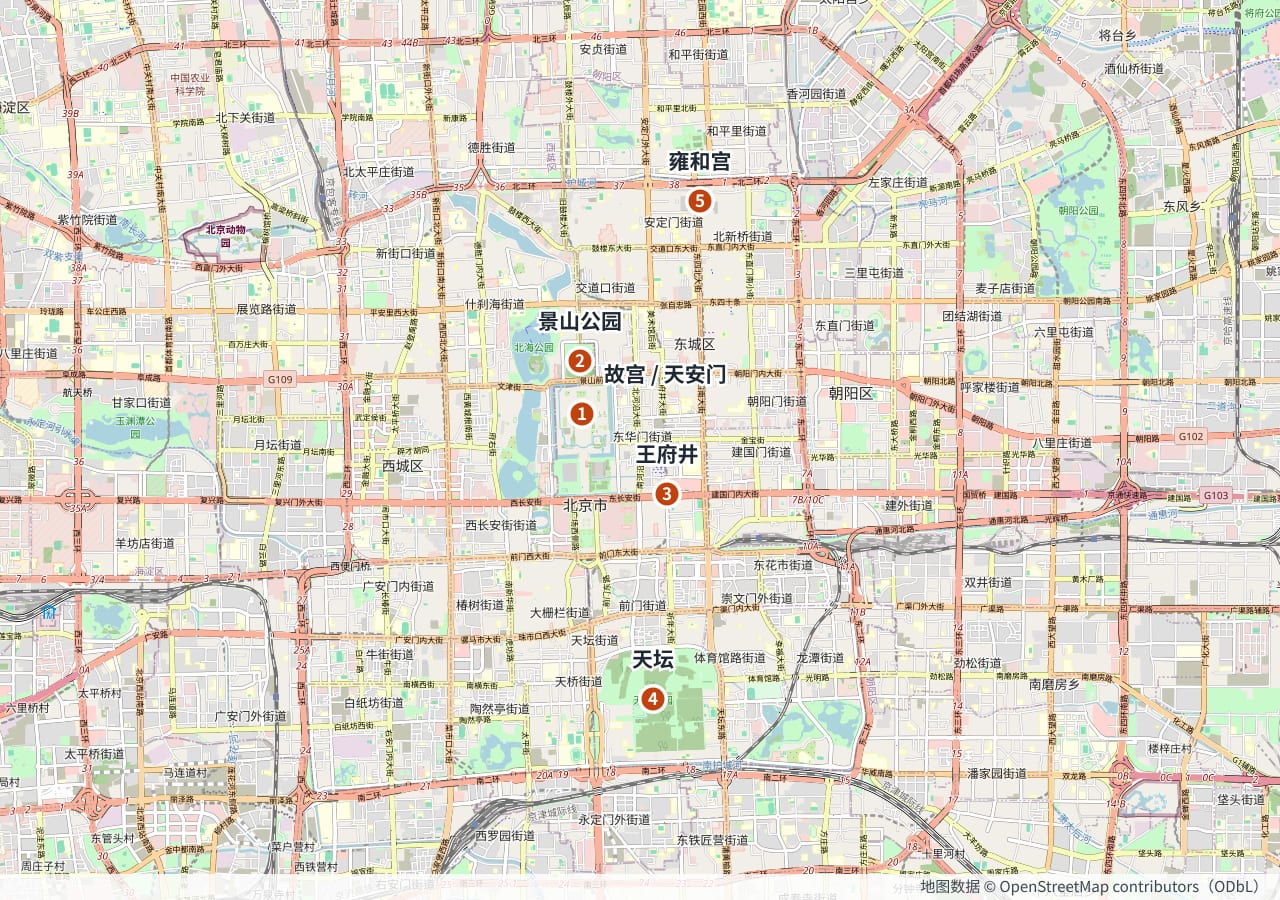
Map: OpenStreetMap. Numbers added by Arrive China — © OpenStreetMap contributors (ODbL)
Getting there: the sights, the nearest station, and how to walk it
-
1 Forbidden City / Tiananmen 1
Tian'anmen East / West
Take Line 1 to Tian'anmen East and walk north toward the Forbidden City entrance; Tian'anmen West is closer to the square itself. The palace is one-way: you enter from the Meridian Gate in the south and leave by the Gate of Divine Prowess in the north, so do not plan your next stop back at the south side. Both the square and the palace have security checks, and you need the physical passport.
-
2 Jingshan Park 8
National Art Museum (15–20 min walk)
No metro exit reaches Jingshan directly. The nearest is National Art Museum on Line 8, a 15–20 minute walk west. The easier route is to finish the Forbidden City, leave by the north gate, and cross one road to Jingshan's south gate. Ten minutes uphill to the Wanchun pavilion gives you the only view over the whole palace roofscape.
-
3 Wangfujing 18
Wangfujing
Lines 1 and 8 interchange at Wangfujing, and the pedestrian shopping street starts at the exit. It is about a 15-minute walk from the east side of the Forbidden City, which makes it the natural place to eat afterwards.
-
4 Temple of Heaven 5
Temple of Heaven East Gate
Line 5 to Temple of Heaven East Gate, exit A, puts you at the park's east entrance. The park is large: about 15 minutes on foot from that gate to the Hall of Prayer for Good Harvests. There are two tickets — a cheap one for the grounds and a combined one that also covers the hall and the echo wall; buy the combined one if you want the buildings. At six or seven in the morning the park is full of locals doing tai chi and choir practice, which is better than the daytime version.
-
5 Lama Temple / Guozijian 25
Lama Temple
Lines 2 and 5 interchange at Yonghegong; exit C and walk three minutes south to the gate. This is Beijing's largest Tibetan Buddhist temple, with an 18-metre Maitreya carved from a single trunk. Incense is handed out free inside, so ignore anyone selling it at the gate. Across the road is Guozijian Street, five minutes on foot and much quieter.
Off this map
-
Summer Palace 4
Beigongmen (exit D, 400 m walk)
Not on this map: about 15 km north-west of the centre. Take Line 4 to Beigongmen, exit D, and walk 400 m to the north gate. Entering there puts you on the back hill, about 20 minutes downhill to Kunming Lake and the Long Corridor. If you only want the lake, get off at Xiyuan and take a bus to the east gate instead. The whole park takes three to four hours, so do not pair it with the Forbidden City on the same day.
-
Badaling Great Wall
Qinghe or Beijing North, high-speed rail
Not on this map, and no metro reaches it: about 70 km north-west of the city. Take the high-speed train from Qinghe (Lines 13 and Changping) or Beijing North to Badaling Great Wall station, roughly 30 minutes, then a climb and a long escalator up to the ticket gate. Book the train on 12306 with your passport in advance; popular departures sell out. With the round trip and time on the wall, this is a full day.
The Forbidden City, Jingshan, Wangfujing, the Temple of Heaven and the Lama Temple all sit inside the old city ringed by Lines 1 and 2, two or three stops from each other. The Summer Palace and Badaling are outside it and need half a day or a full day of their own.
The base map is OpenStreetMap, so it is to scale rather than a schematic. The number in each orange dot matches the list below, and every entry gives the nearest station, which exit to use, how long the walk is, and what to know once you arrive.
Beijing has imperial monuments nothing else in Asia can match, but it is also a city that punishes casual, unplanned wandering. Two points that look next to each other on a map can sit fifteen minutes and two security checkpoints apart. If you are deciding whether to start in Beijing or Shanghai, read which city to visit first in China.
Quick facts
| Item | What to expect |
|---|---|
| Airport to centre | Capital (PEK) Airport Express + metro ~45–60 min; Daxing (PKX) Express + metro ~50–70 min |
| Suggested stay | 4–5 days (3 days for city monuments + 1 full day for the Great Wall) |
| Metro English | Full English signs and announcements; tap foreign Visa/Mastercard or scan Alipay at gates |
| Best months | April–May and September–October (crisp skies; Dec–Feb is freezing, Jul–Aug is scorching) |
| Next stop | High-speed rail: ~4.5 hr to Xi’an or 4.5–5.5 hr to Shanghai |
Who it fits, who should skip
Who it fits: Travellers who came to China for the Forbidden City, the Great Wall, the Temple of Heaven, and the Summer Palace, and who are happy to book timed tickets a week ahead and walk 15,000 to 20,000 steps a day.
Who should skip: Anyone looking for an effortless, no-reservation weekend of café-hopping, or travellers stepping off an overnight flight who hate security queues.
How many days you need
Budget 4 full days as your baseline.
The Great Wall takes 1 day; the Forbidden City, Jingshan Park, and nearby hutongs take 1 day; the Temple of Heaven and Summer Palace take 1 day; and Lama Temple, the Drum & Bell Towers, or the National Museum take a 4th day. Squeezing Beijing into 2 days leaves you staring at palace walls from outside the checkpoint.
Airport to the city centre
Beijing operates two huge airports on opposite sides of the city:
- Beijing Capital International Airport (PEK, northeast): ride the Capital Airport Express train to Sanyuanqiao or Dongzhimen, then transfer to Metro Line 10 or Line 2.
- Beijing Daxing International Airport (PKX, far south): ride the Daxing Airport Express to Caoqiao and transfer to Metro Line 10 or Line 19, or take the intercity train straight to Beijing West Railway Station.
For late-night arrivals or two people splitting the fare with heavy bags, follow the terminal signs to the official DiDi pickup zone.
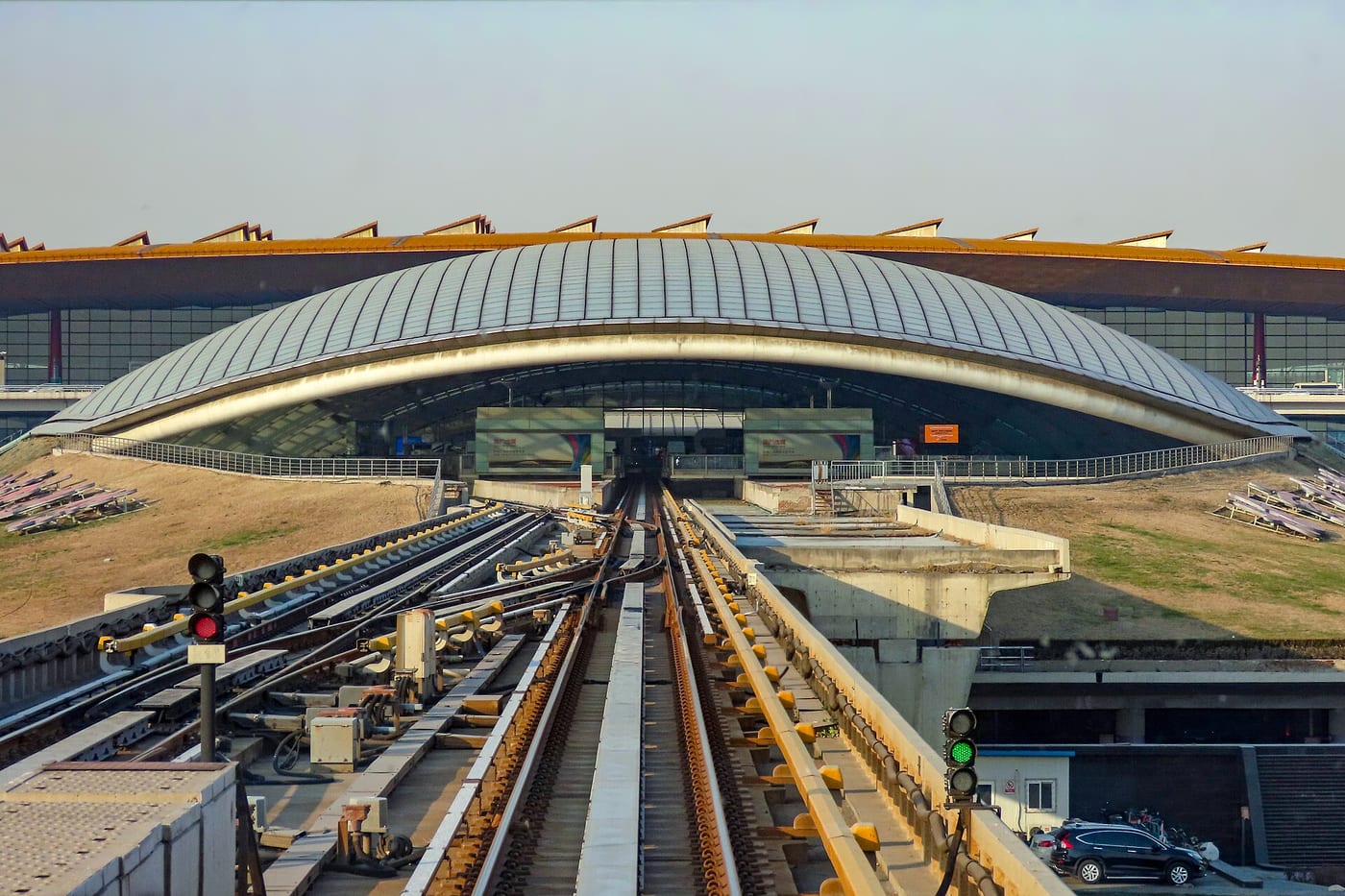
Photo: N509FZ / CC BY-SA 4.0, via Wikimedia Commons
Where to stay
Stay inside or right on the 2nd Ring Road next to Metro Lines 2, 5, 6, or 8 (and confirm foreign-passport registration first via how to book hotels that accept foreigners):
- Dongsi / Dengshikou / North Wangfujing (Best central base): puts you on Lines 5, 6, and 8 within a few stops of the Forbidden City, Temple of Heaven, and Lama Temple, with plenty of restaurants and staffed hotels.
- Dongzhimen / Liangmaqiao (Airport & embassy belt): direct train from Capital Airport (PEK), international hotel chains, and easy English service along the Liangma River.
- Deep inside narrow hutong alleys (Think twice): atmospheric courtyard inns often sit down lanes where taxis cannot enter, forcing you to drag suitcases over uneven stone for 500 metres.
Three things worth your time
- The Forbidden City + Jingshan Park hilltop view: enter through the Meridian Gate (
午门) and exit at the north gate (神武门), sticking to the central axis plus the Treasure Gallery. Cross the street into Jingshan Park and climb five minutes to Wanchun Pavilion for the classic view over the golden roofs. You must book the Forbidden City 7 days ahead (see which attraction tickets sell out). - A full morning on the Mutianyu or Jinshanling Great Wall: leave the city before 07:30 to beat tour buses, ride the cable car up, and walk for two to three hours along the ridge.
- Temple of Heaven at 08:00 + afternoon walk from Lama Temple to the Drum Tower: see local residents practicing tai chi around the Hall of Prayer for Good Harvests in the morning, then stroll Guozijian Street and Wudaoying Hutong in the afternoon.
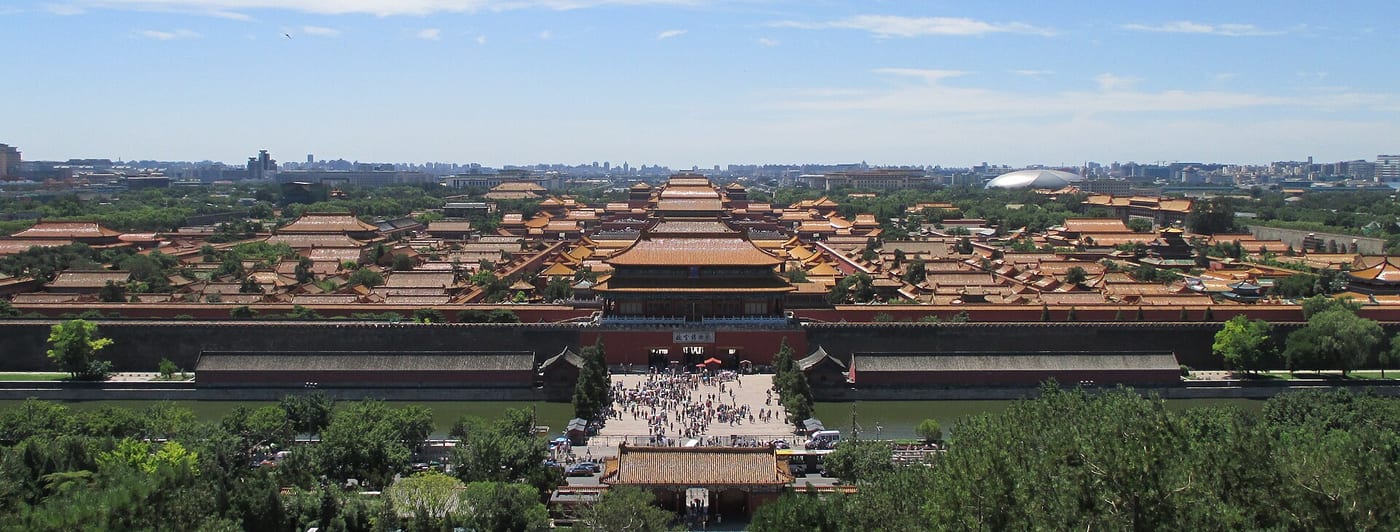
Photo: Tojan76 / CC BY-SA 3.0, via Wikimedia Commons
Four days in an order that never doubles back
Four themes, one per day, is the arrangement that costs your legs the least in Beijing: the central axis, the old city, the Great Wall, and the north-western outskirts. Do not bounce between compass points within a single day. Distances inside the 2nd Ring look short, but crossing a road often means a detour through an underpass.
Ticket prices below are indicative and shift between high and low season, so check the site’s own page before you set out (how to get the tickets is in which attraction tickets sell out).
Day 1: the imperial central axis
| Stop | Ticket | To the next stop |
|---|---|---|
| Tiananmen Square | free, booking required | 15 min on foot |
| The Palace Museum (Forbidden City) | ¥60 high season, ¥40 low season | 15 min on foot (out of the north gate, cross the road) |
| Jingshan Park | ¥2 | 10 min on foot |
| Beihai Park | ¥10 | — |
This day is all walking: 15,000 steps minimum. Enter the Forbidden City by the Meridian Gate and leave by the north gate, sticking to the central axis plus the Treasure Gallery. Do not try to see every courtyard. Jingshan is straight across the road from the north gate; ten minutes of climbing to Wanchun Pavilion buys you the whole expanse of golden roofs, and it is the best two yuan in Beijing. If you still have legs, add Beihai. If you do not, go back to the hotel.
Both Tiananmen Square and the Forbidden City need advance booking under your real name. The Forbidden City normally releases tickets 7 days ahead, and the square is booked separately. Without a booking you cannot even get through the outer security point, so do not turn up intending to sort it out on arrival.
Day 2: the old city and the imperial garden
| Stop | Ticket | To the next stop |
|---|---|---|
| Summer Palace | ¥30 entry, ¥60 through ticket | ~40 min by taxi or metro |
| Temple of Confucius and the Imperial College | ¥30 | 15 min by metro |
| Nanluoguxiang | free | 10 min on foot |
| Shichahai | free | — |
One warning here: route maps online often describe the Summer Palace to the Temple of Confucius as a “10-minute walk”. The two are twenty kilometres apart and you have to take transport. The Summer Palace is out in the north-west, so go there first thing, spend two or three hours on Kunming Lake and the Long Corridor, and come back inside the 2nd Ring at midday for the Temple of Confucius, the Imperial College and Nanluoguxiang.
The Temple of Confucius and the Imperial College adjoin each other on one street. They are quiet and uncrowded, and far better to wander than Nanluoguxiang. The main lane of Nanluoguxiang is heavily commercialised; turn off into the side hutongs and you find the old Beijing where people actually live. Shichahai is best in the evening — walk the loop around Houhai, where the light just before and after dusk is at its best.
Day 3: the Great Wall and the Olympic Park
| Stop | Ticket | To the next stop |
|---|---|---|
| Badaling Great Wall | ¥40 high season, ¥35 low season | ~45 min by car |
| Ming Tombs (Dingling or Changling) | Dingling ¥60, Changling ¥45 | ~60 min by car |
| Bird’s Nest (National Stadium) | ¥50 to go inside | 15 min on foot |
| Water Cube (National Aquatics Centre) | ¥30 to go inside | — |
There are three ways to reach Badaling: high-speed train from Qinghe or Beijing North, about 30 minutes; bus 877 direct from Deshengmen, a little over an hour; or a hired car. If you are travelling with older relatives or children and want to add the Ming Tombs, a hired car saves the most trouble — public transport between those two sites involves a lot of changing.
On the Wall, take the cable car up and walk down. It halves the effort and costs you nothing in views. Head back into town in the afternoon for the Bird’s Nest and the Water Cube, both of which look better lit at night than in daylight; the Olympic Park is a pleasant place for an evening walk.
Day 4: the altar and the universities
| Stop | Ticket | To the next stop |
|---|---|---|
| Temple of Heaven | ¥15 entry, ¥34 through ticket | ~40 min by metro |
| Old Summer Palace (Yuanmingyuan) | ¥10 entry, ¥25 through ticket | 15 min on foot |
| Tsinghua University | free, booking required | 10 min on foot |
| Peking University | free, booking required | — |
At the Temple of Heaven, buy the through ticket. The basic entry ticket does not get you into the Hall of Prayer for Good Harvests, the Circular Mound, or the Echo Wall, which are the core buildings. Before 08:00 is best, when you can watch Beijing residents doing tai chi under the long corridor, singing opera and spinning diabolos. That is the Temple of Heaven as daily life.
The Old Summer Palace and the Summer Palace are not the same garden; do not mix them up. The Western Mansions ruins (Dashuifa) are the main thing to see. Tsinghua and Peking University both require advance booking against a quota these days, and during the summer and winter holidays and public holidays you will essentially never get a slot. Check each university’s own booking page before you set out, and if you cannot get in, take a photo at the gate.
Tickets and bookings checklist
Get these done before you leave, so you are not standing around on the day:
- The Forbidden City: tickets released 7 days ahead, booked under your real name, with your passport number.
- Tiananmen Square: booked separately — it is not the same ticket as the Forbidden City.
- National Museum of China and the Military Museum: both need real-name booking, and both close on Mondays.
- The Tiananmen Gate tower: sold and booked separately. Climbing the tower and entering the square are two different things.
- Tsinghua and Peking University: separate booking systems, limited quota.
- Badaling Great Wall: in high season, buy ahead. The on-site ticket queue is long.
The Military Museum stops admitting visitors at 16:00, so go in before 14:00 if you want to see it without rushing.
A few practical notes for children and older travellers
- Nothing in Beijing is close to anything else. Three or four sites in a day is already the ceiling, and leaving time to rest at midday is worth more than squeezing in another stop.
- A pushchair works well on the big plazas along the central axis, but the Forbidden City is full of thresholds and steps and has to be lifted at each hall.
- Souvenirs and bottled water inside the sites carry a steep markup. Bring a water bottle, snacks and sun protection.
- The “fast track” and “skip-the-queue VIP” passes hawked outside the gates are fake. The official booking is the only way in.
- Wangfujing, Qianmen and similar tourist shopping streets are expensive and mediocre for food. For a proper meal, go to an established old restaurant or a chain inside a shopping mall — clean and dependable.
What to eat and how to order
Beijing’s table splits into three traditions: roast duck, northern Muslim lamb dishes, and wheat noodles/dumplings:
- Peking roast duck (北京烤鸭): pick an established roast-duck restaurant (such as Siji Minfu, Bianyifang, or Da Dong). Two people only need a half duck (
半套) plus one seasonal vegetable dish. - Copper-pot lamb hotpot (铜锅涮肉): thin lamb slices cooked in clear boiling water with scallions and ginger. Warning for allergy sufferers: the classic dipping bowl is sesame-and-peanut paste (
麻酱)—never touch it if you have a peanut or sesame allergy. - Zhajiangmian, luzhu, douzhi with jiaoquan, mending rou bing: the old Beijing breakfast and snack repertoire. Douzhi is fermented mung-bean water with a sour, sour-milk smell that is genuinely strong — if you are curious, order the smallest bowl and take one sip. Luzhu and chaogan are heavy on offal, so skip them outright if that is not your thing.
- Siji Minfu roast duck: deservedly popular and widely branched, but the busy locations routinely run a two-hour queue. To save time, pick a branch outside the central shopping districts, or go early in the evening to take a number.
Before ordering with dietary restrictions, prepare the Chinese food allergy and vegetarian card.
Getting around locally
Inside the 2nd and 3rd Ring Roads, the subway beats taxis during daytime traffic. Beijing’s metro gates accept direct taps from foreign contactless Visa and Mastercard cards as well as the Alipay transport QR code.
Remember one Beijing-specific quirk: do not trust straight-line map distances near Chang’an Avenue or Tiananmen. Security fences and one-way pedestrian underpasses mean a gate that looks 100 metres across the avenue can require an 800-metre detour.
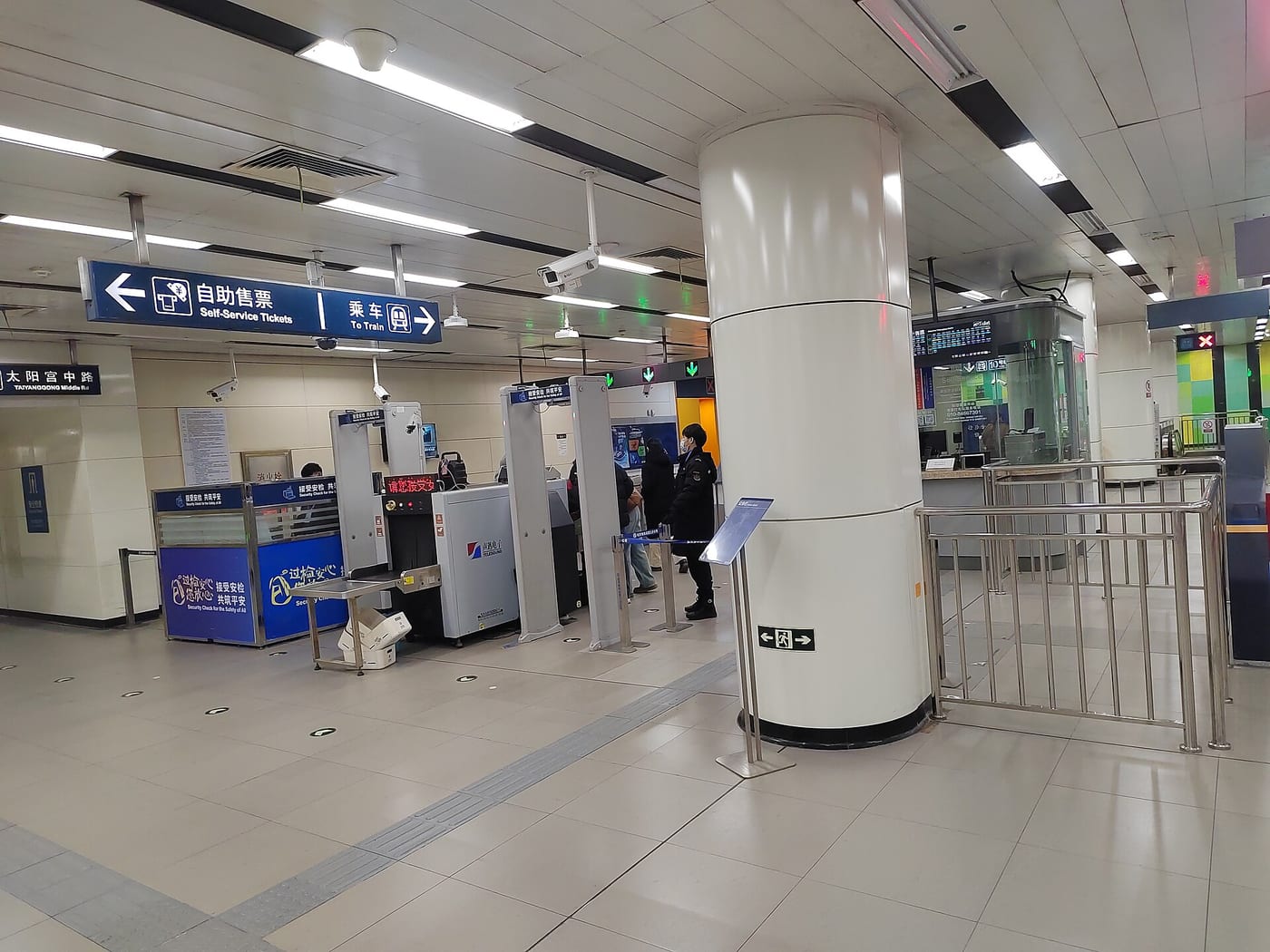
Photo: CNHowey / CC BY-SA 4.0, via Wikimedia Commons
Best time to visit
Mid-September to late October and mid-April to May deliver clear blue skies and comfortable walking temperatures.
July and August bring 36°C+ heat across shade-free palace courtyards plus summer holiday crowds. December to February is dry and bitterly cold—especially on the Great Wall ridge—though crowds are thin and indoor heating is strong. Check the month-by-city China packing table.
Common mistakes
- Putting the Forbidden City and the Great Wall on the same day: the Forbidden City alone is a 3-to-4-hour, 12,000-step walk, and the Great Wall is a 3-hour round-trip drive plus steep stairs. Give each its own day.
- Showing up at Tiananmen or the Forbidden City without a passport booking: there are no same-day walk-up tickets at the gate, and even entering the outer Tiananmen security perimeter requires a prior reservation.
- Eating on the main tourist strip of Wangfujing Snack Street or Qianmen Street: walk two blocks into a residential side street around Dongsi or Beixinqiao for real restaurants at half the price.
Photo: Daniel Case / CC BY-SA 3.0, via Wikimedia Commons
Compare China hotels Browse China tickets
Affiliate link. Compare prices on the partner site before you pay.
Questions visitors ask
- Is Beijing worth visiting on a first trip to China, and for how many days?
- If you want to see the Forbidden City, the Great Wall, and the Temple of Heaven, Beijing is essential. Budget 4 to 5 full days; anything under 3 days turns into a blur of security queues and vast stone plazas.
- Which Great Wall section should I visit, and how do I get there?
- Mutianyu is the best balance for most visitors—reachable by direct tourist bus or a 90-minute private car ride, with a cable car and chairlift/toboggan. Badaling has a 30-minute high-speed train but draws the heaviest crowds.
- Is Beijing hard for first-time foreign tourists?
- The metro is easy and takes contactless Visa/Mastercard taps, but the city demands advance passport ticket bookings and heavy walking across huge city blocks.