Shanghai Travel Guide: The Easiest First Stop in China
Shanghai is the easiest soft landing in mainland China for first-time visitors: bilingual metro signs, flat pavements, and hotel desks used to foreign passports. Give the city 3 days plus an optional water-town or Hangzhou day trip, sleep near Jing'an rather than on Nanjing East Road, and cross the river by ferry instead of fighting the 20:00 Bund crowd.
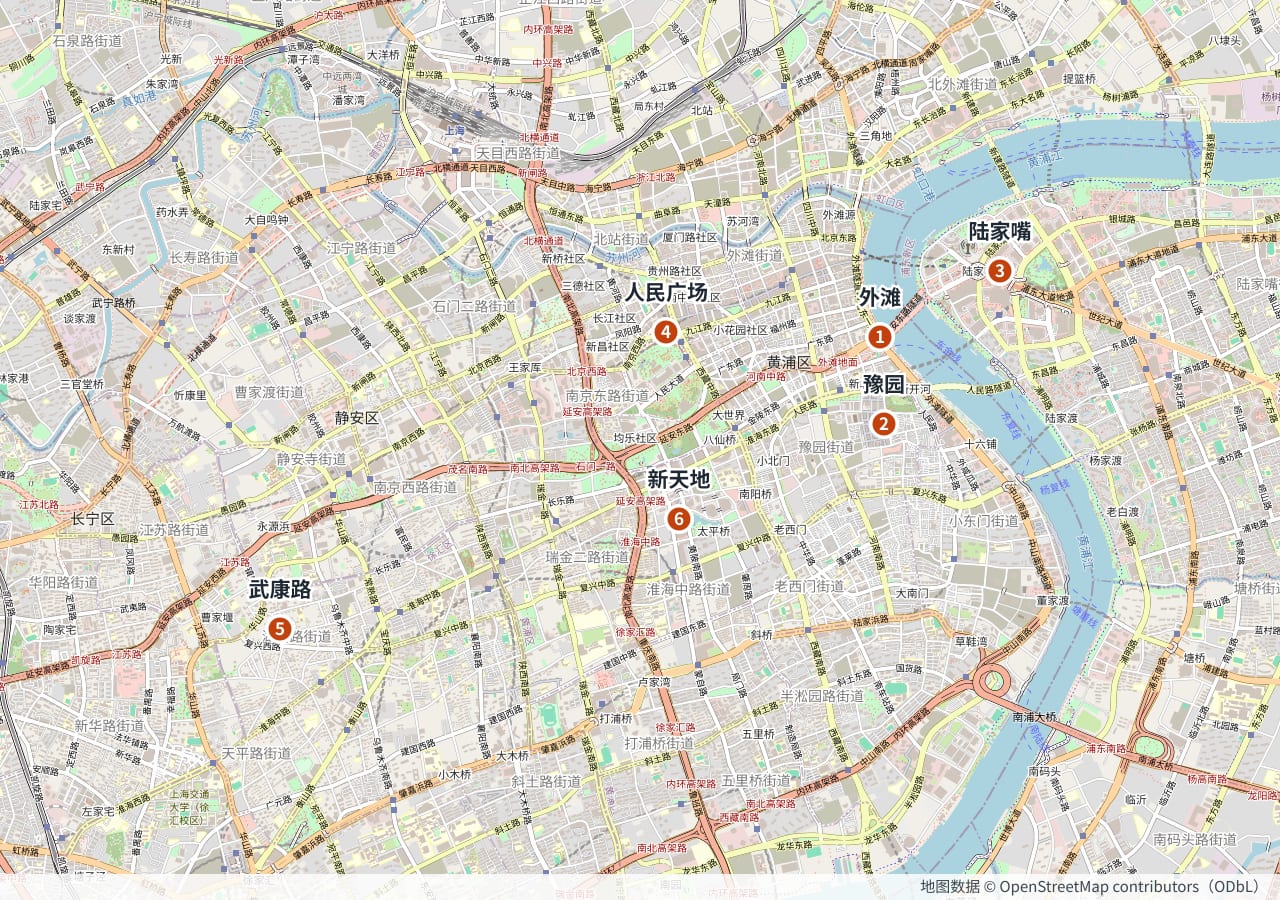
Map: OpenStreetMap. Numbers added by Arrive China — © OpenStreetMap contributors (ODbL)
Getting there: the sights, the nearest station, and how to walk it
-
1 The Bund 210
East Nanjing Road
Lines 2 and 10 to East Nanjing Road; take exit 7 and walk ten minutes east along the pedestrian street to the river. The Bund is a row of 1920s–30s bank and trading-house buildings, with the modern skyline facing it across the water. The best light is about 30 minutes after sunset; later than that it gets very crowded.
-
2 Yu Garden / City God Temple 1014
Yu Garden (exits 1 / 4 / 7)
Lines 10 and 14 interchange at Yuyuan; exits 1, 4 or 7, then five minutes on foot. Keep two things apart: Yu Garden itself is a 16th-century private garden and needs a ticket, while the mock-antique City God Temple bazaar around it is free but mostly souvenirs and snacks. It is about 20 minutes' walk from the Bund.
-
3 Lujiazui 214
Lujiazui
Lines 2 and 14 to Lujiazui; you come out between the three towers, which are linked by a circular pedestrian bridge at street level. You do not need the metro to cross from the Bund: the ferry runs every few minutes for a couple of yuan, and the deck view of both banks beats the view from inside a tower.
-
4 People's Square / Shanghai Museum 128
People's Square
Lines 1, 2 and 8 all meet at People's Square, one of the biggest interchanges in the city — walking inside the station alone can take ten minutes, so follow the numbered exits rather than the crowd. The Shanghai Museum's People's Square building is on the south side of the square. Entry is free but needs an advance reservation in the official mini-program, which accepts foreign passports.
-
5 Wukang Road / plane-tree district 1710
Jiaotong University / Changshu Road
Line 10 to Jiaotong University, or Lines 1 and 7 to Changshu Road, then ten minutes on foot into the former French Concession. There is nothing here to queue for: you walk Wukang Road, Anfu Road and Wuyuan Road under the plane trees, looking at 1920s villas and the cafés now inside them. Two or three hours, best in the afternoon.
-
6 Xintiandi 1013
Xintiandi
Lines 10 and 13 to Xintiandi; it starts at the exit. A whole block of shikumen houses — Shanghai's grey-brick lane housing with stone door frames — converted into restaurants and shops. It is clean, photogenic and visibly pricier than the streets around it. For unconverted shikumen, walk south into the lanes around Tianzifang and Dapuqiao.
The Bund, Yu Garden, Lujiazui and People's Square sit in one small area strung together by Lines 2 and 10, all within a 20-minute walk of each other. Wukang Road and Xintiandi are a little south-west, also on the metro.
The base map is OpenStreetMap, so it is to scale rather than a schematic. The number in each orange dot matches the list below, and every entry gives the nearest station, which exit to use, how long the walk is, and what to know once you arrive.
Shanghai is not where you come for ancient imperial palaces—it is where you land after a twelve-hour flight to get your payment app, data eSIM, and body clock working on flat, easy streets. To compare it against other entry points, see which city to visit first in China.
Quick facts
| Item | What to expect |
|---|---|
| Airport to centre | Pudong (PVG) metro/express/maglev ~45–65 min; Hongqiao (SHA) Metro Lines 2/10 ~25–35 min |
| Suggested stay | 3–4 days (3 days in the city + 1 day trip to Suzhou or Hangzhou) |
| Metro English | Full English signage, ticket machines, and announcements on every line |
| Best months | April–May and October–November (avoid late-June plum rains and July–August heat) |
| Next stop | High-speed rail: 30 min to Suzhou, 45–60 min to Hangzhou, 4.5–5.5 hr to Beijing |
Who it fits, who should skip
Who it fits: First-time visitors to mainland China, families, travellers landing late at night, and anyone who enjoys walkable tree-lined neighbourhoods, early-20th-century architecture, art museums, and great dining.
Who should skip: Travellers with only four or five days in China whose sole dream is the Forbidden City, the Great Wall, or dramatic karst mountains. If you want ancient monuments on a short clock, fly straight into Beijing.
How many days you need
Give Shanghai 3 full days.
With fewer than 2 days, you only see the Bund skyline and a train station platform, missing the leafy residential lanes that make the city pleasant. With more than 4 days, the central shopping districts start to repeat—use day four for a high-speed rail day trip to Suzhou’s classical gardens or Hangzhou’s West Lake.
Three days, in order
Shanghai is flat, and the sights string together on metro plus walking, which makes three days the most comfortable length for the city proper. Ticket prices below are indicative and shift between high and low season; check the venue’s own page before you set out.
Day 1: the Bund and the old city
| Stop | Ticket | To the next stop |
|---|---|---|
| The Bund (go early morning) | free | 15 min on foot |
| Nanjing Road East pedestrian street | free | 15 min on foot |
| Yu Garden and the City God Temple | Yu Garden ¥40, City God Temple ¥10 | 10 min by metro |
| Xintiandi or Tianzifang | free | — |
The Bund is at its best before 08:00, when the waterfront is almost empty and nobody has to step out of your photo. Pushing through Nanjing Road East towards the Bund after 19:30 can take forty minutes to cover a kilometre — one early morning visit beats it.
Yu Garden and the City God Temple sit together. The garden is ticketed; the shopping streets outside are not. The Nine-Turn Bridge draws the biggest crowd, and turning off into the old-city lanes beside it is more rewarding. Tianzifang is a lane-house district converted into small shops: packed at weekends, pleasant on a weekday.
Day 2: the plane-tree district and the museum
| Stop | Ticket | To the next stop |
|---|---|---|
| Wukang Road (Wukang Mansion) | free | 10 min on foot |
| Anfu Road – Wuyuan Road – West Fuxing Road | free | 20 min on foot |
| Shanghai Museum (People’s Square or East building) | free, booking required | 15 min by metro |
| Jing’an Temple area | Jing’an Temple ¥50 | — |
You can fill this day completely without buying a single ticket. Start at Wukang Road around 09:30 and walk slowly along Anfu Road and Wuyuan Road, where old villas, bookshops and cafés run one into the next. This is Shanghai at its most pleasant.
The Shanghai Museum requires an advance timed booking through the official channel; the bronzes, painting and calligraphy, and ceramics are world class. The People’s Square building is in the centre and the East building is in Pudong, so do not book one and travel to the other.
Day 3: Lujiazui and the Pudong waterfront
| Stop | Ticket | To the next stop |
|---|---|---|
| Shanghai Tower or SWFC observation deck | from about ¥180 | 15 min on foot |
| Binjiang Avenue | free | 20 min on foot |
| Lujiazui skywalk and Super Brand Mall | free | 10 min by metro |
| Ferry back to the Bund from Dongchang Road pier | ¥2 | — |
Skip the observation deck if the weather is poor — in haze or overcast it is a view of grey. If you want the river view without the price, just take the ferry: two yuan, and a more everyday angle than the deck gives you.
With a fourth day, take the high-speed train half an hour to Suzhou for the gardens, or an hour to Hangzhou for West Lake, and come back to Shanghai the same day without moving your luggage.
Airport to the city centre
Check your three-letter airport code before booking airport transport:
- Pudong International Airport (PVG): handles most long-haul international flights. Take Metro Line 2, the suburban airport express link, or the Maglev to Longyang Road (then transfer to the metro) into the centre. If you land after 23:00 when rail service ends, follow the floor signs to the official DiDi pickup garage or the metered taxi queue.
- Hongqiao Airport (SHA): sits right next to Hongqiao Railway Station on the west side of town; Metro Lines 2 and 10 put you in Jing’an or People’s Square in half an hour.
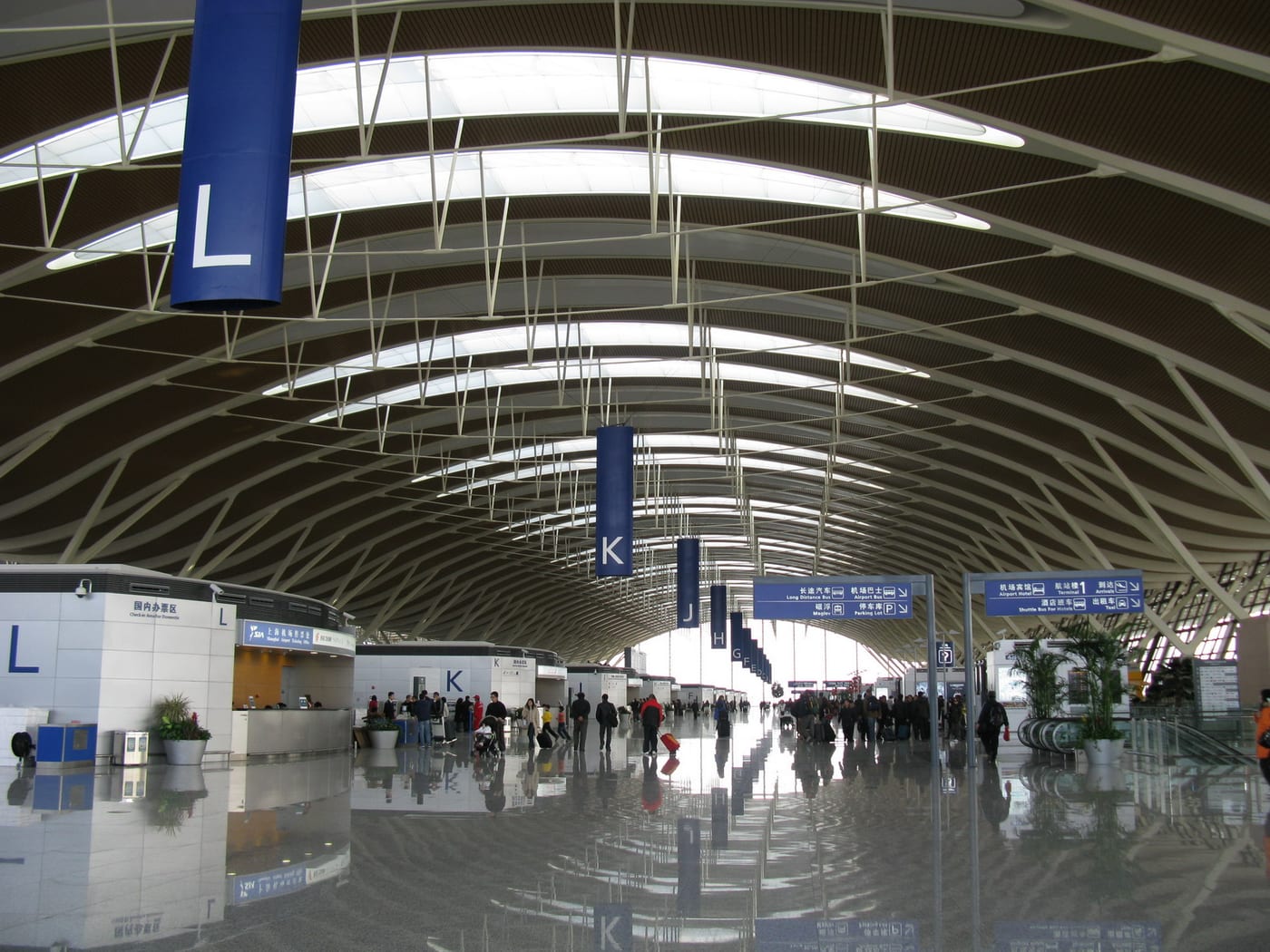
Photo: Baycrest / CC BY-SA 2.5, via Wikimedia Commons
Where to stay
Avoid sleeping directly on top of neon pedestrian malls; pick one of these bases instead (and verify foreign-passport check-in using how to book hotels that accept foreigners):
- Jing’an Temple / West Nanjing Road (Best all-round base): sits on Metro Lines 2, 7, and 14 with direct rail access to both airports and Hongqiao Station, surrounded by bakeries, late noodle shops, and leafy side streets.
- People’s Square / Xintiandi edge (Central hub): lines 1, 2, and 8 meet here; pick a side street one block off the main avenue so tour buses do not idle outside your window.
- Right on East Nanjing Road or inside Lujiazui towers (Think twice): East Nanjing Road is loud until late and blocked to taxis in many sections; Lujiazui is a financial district of wide highways where finding a simple bowl of noodles after 21:00 means walking through a giant mall.
Three things worth your time
- A three-hour morning walk through the plane-tree streets (Anfu Rd → Wukang Rd → Fuxing West Rd → Sinan Rd): requires zero tickets. Start at 09:30 with a coffee and walk the quiet lanes of historic villas and independent shops.
- The Huangpu riverfront at 07:30 or via the public ferry: skip the 20:00 crush at the end of East Nanjing Road. Walk from Rockbund (Suzhou Creek) south to Jinling East Road Ferry Pier and cross the river on the 2 RMB commuter boat, or walk the Bund before 08:00 when you have the promenade to yourself.
- Shanghai Museum (East Branch or People’s Square): world-class bronzes, ceramics, and calligraphy—book your free timed entry slot several days ahead.
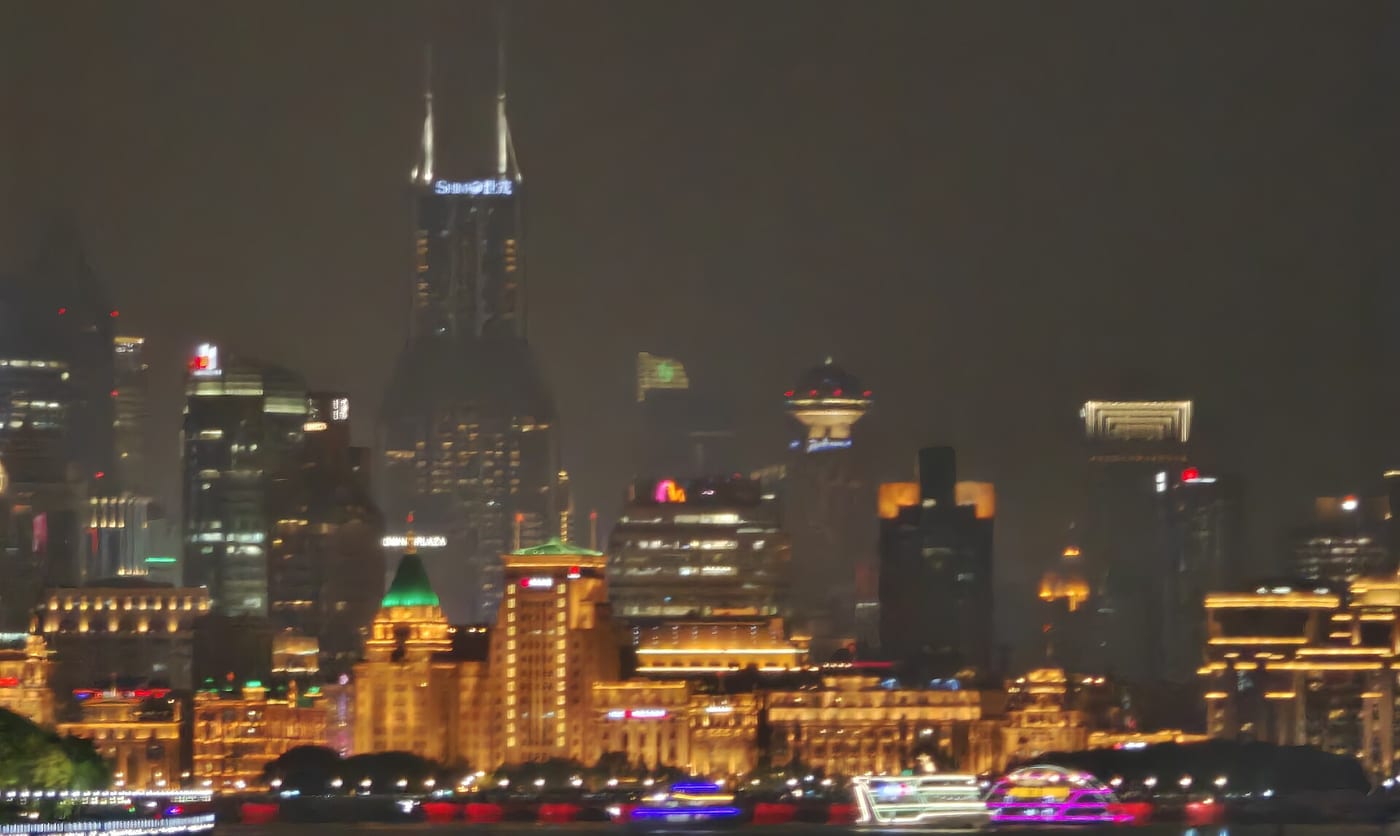
Photo: DvTor8303 / CC0, via Wikimedia Commons
What to eat and how to order
Local Shanghainese cooking (benbang cai) is savoury-sweet, braised in soy and rock sugar, and non-spicy—ideal if your stomach needs a break from chili oil.
For breakfast or lunch, look for crisp-bottomed shengjianbao (pan-fried pork buns), xiaolongbao (soup dumplings), scallion oil noodles (葱油拌面), and savoury mooncakes. Bite a small vent in a soup dumpling before eating so the scalding broth does not burn your tongue. Note that pastry crusts often use lard and soup dumplings contain pork gelatin; if you are vegetarian, vegan, or allergic to shellfish/peanuts, show the Chinese food allergy and vegetarian card before ordering.
Getting around locally
Shanghai is dead flat, so metro plus walking covers almost every stop.
Open Alipay, tap Transport, and activate the Shanghai Metro QR code to scan straight through the turnstiles. Keep in mind that mega-interchanges like People’s Square, Century Avenue, and Xujiahui involve 8-to-10-minute underground walks between platforms; for hops under two kilometres, a street-level walk or DiDi is often faster.
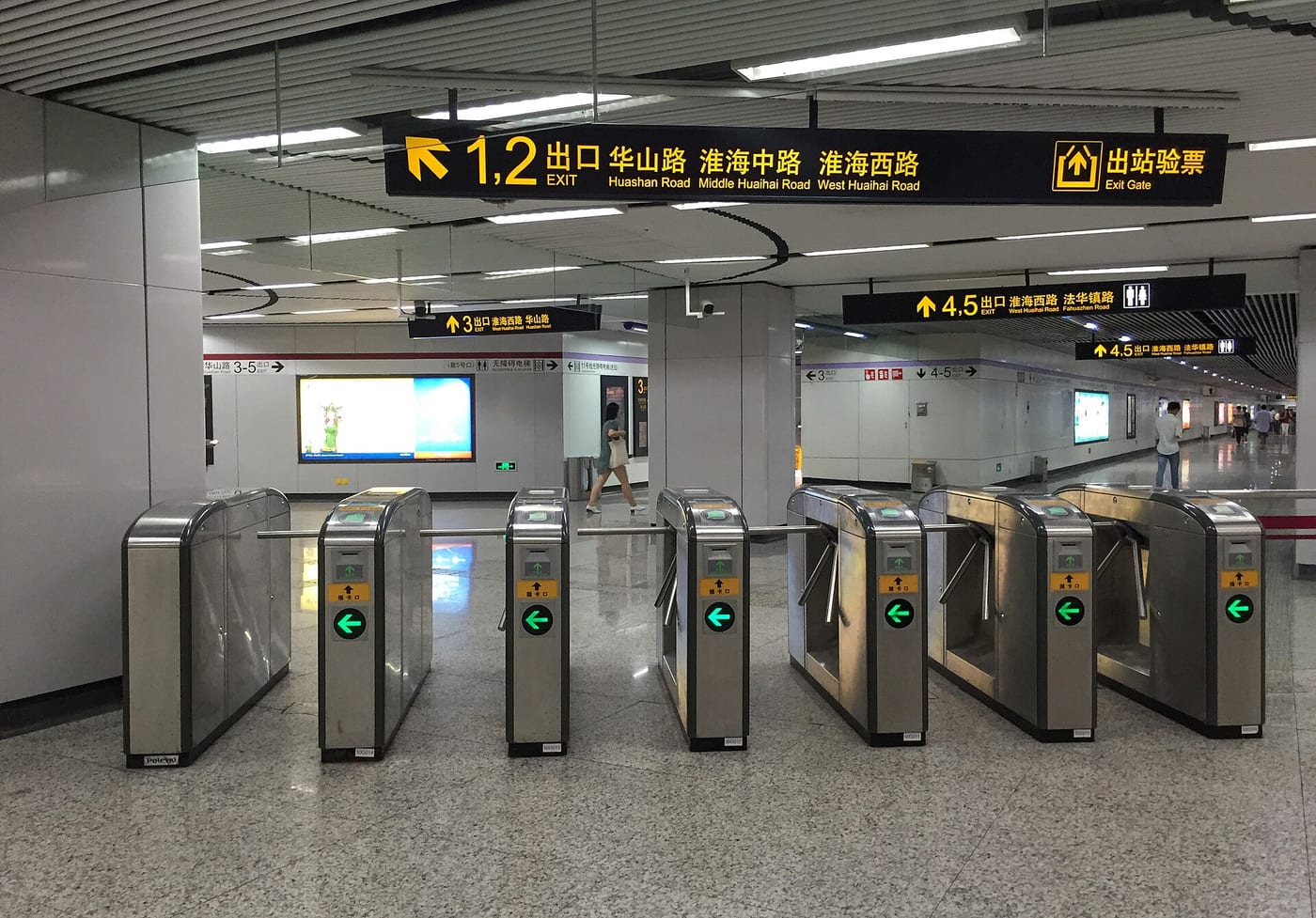
Photo: N509FZ / CC BY-SA 4.0, via Wikimedia Commons
Best time to visit
April–May and October–November are the sweet spots: mild, dry enough for all-day walking, and comfortable in a light jacket.
Mid-June to early July brings sticky plum rains (梅雨), July and August are 35°C+ and humid, and January–February feels raw and damp indoors and out. Check the month-by-city China packing matrix before you pack.
Common mistakes
- Walking down East Nanjing Road into the Bund at 20:00: metal crowd barriers turn the street into a slow one-way chute. Approach from the Rockbund/Waitanyuan north end or go before breakfast.
- Paying for the “Bund Sightseeing Tunnel”: it is an overpriced underground tram with flashing neon lights. Take the 2 RMB public ferry or Metro Line 2 across the river instead.
- Confusing Shanghai Station, Shanghai South, and Shanghai Hongqiao: Pudong Airport (PVG) and Hongqiao Railway Station (SHA) sit on opposite edges of the metropolis—allow well over an hour to transfer between them.
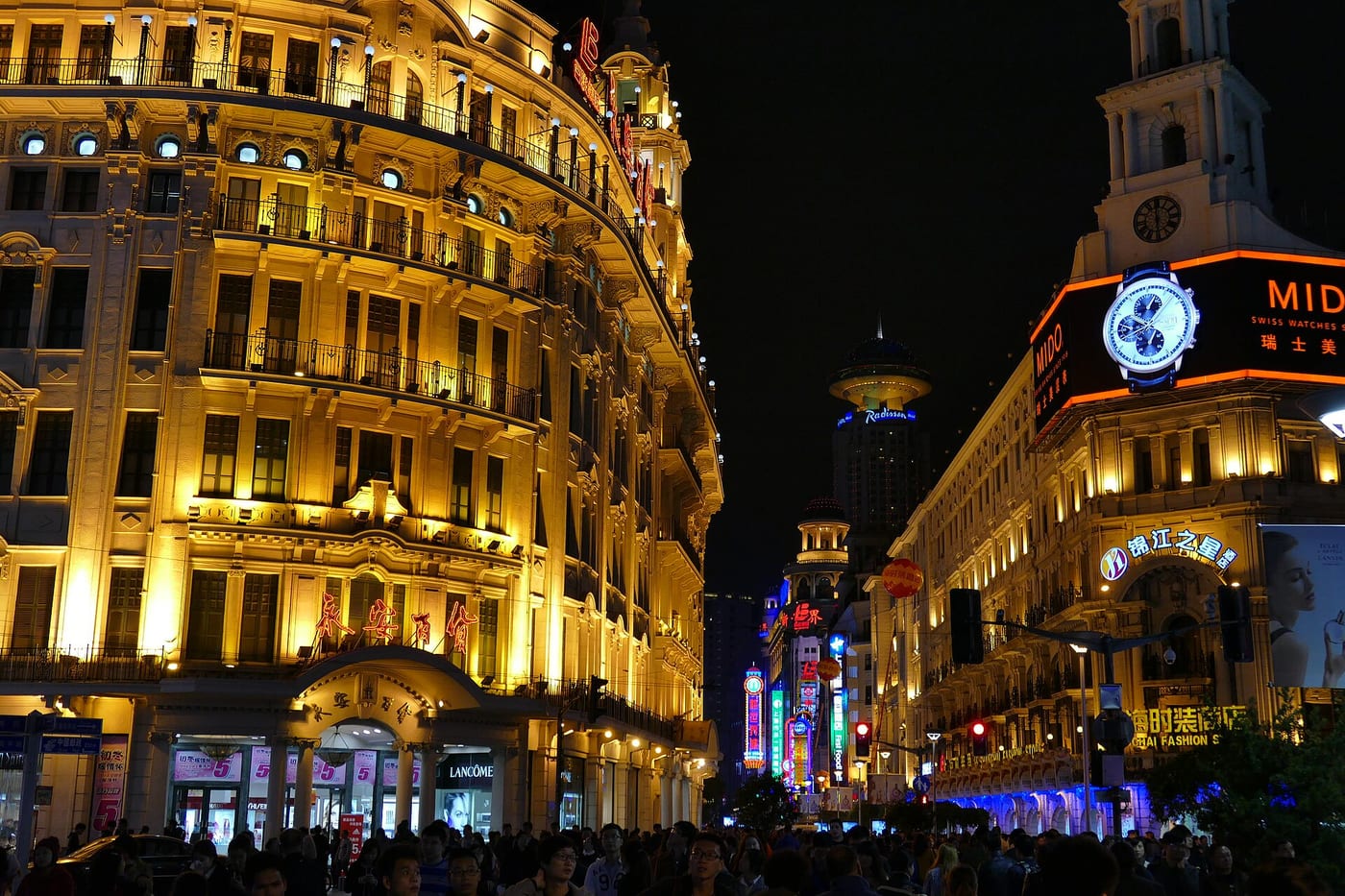
Photo: Hermann Luyken / CC0, via Wikimedia Commons
Compare China hotels Browse China tickets
Affiliate link. Compare prices on the partner site before you pay.
Questions visitors ask
- Is Shanghai a good first city in China?
- Yes—it is the smoothest entry point in the country. Airport rail links, English signage, and foreign-card acceptance are the easiest in mainland China, letting you sort out Alipay and jet lag without stress.
- How many days do I need in Shanghai?
- Three full days cover the tree-lined former concession streets, the riverfront, and a major museum. If you have a fourth day, use it for a 30-minute high-speed train trip to Suzhou or an hour to Hangzhou.
- Is Shanghai difficult without speaking Chinese?
- It is the easiest mainland city to navigate without Mandarin. Every metro station has full English signage, Alipay generates an instant metro QR code, and most cafés and malls handle basic English.